Who is building this
Two founders. One bet.
ykAIzen is built by two people. Small enough that the person who answers your email is the person who wrote the code, and that the decisions you argue with are decisions someone will actually defend.
The founders
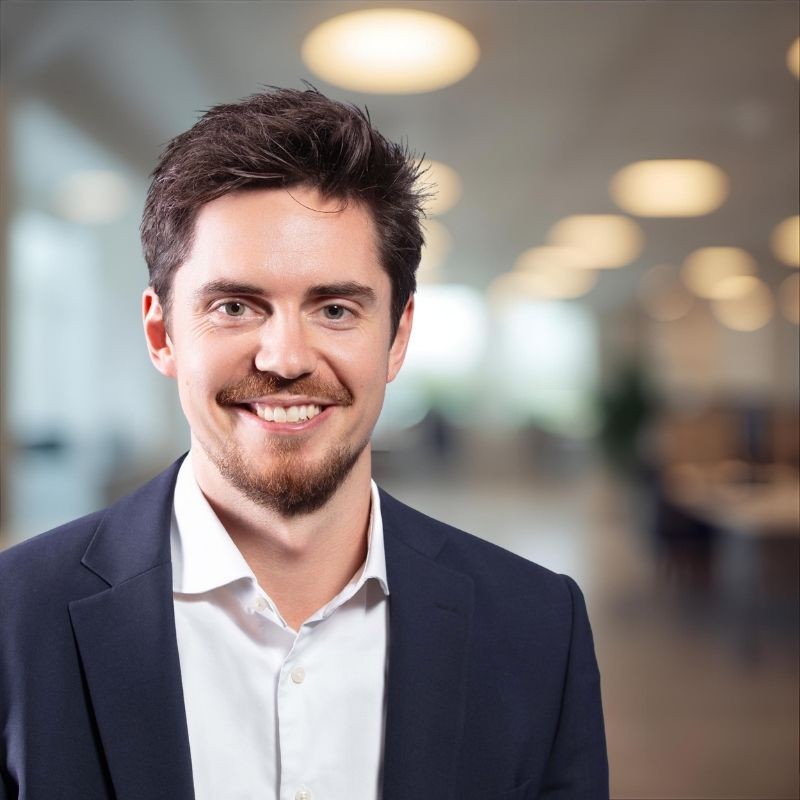
Max Engel
Co-founder & CEO
Max spent his consulting years at EMPORIAS in Munich, on lean and process-optimisation work for manufacturers and financial-services clients in Germany and globally. The pattern repeated in every engagement: the ideas for how to improve the operation were already in the building, held by the people doing the work, and nothing existed to process them. Before, he founded a sustainable B2B and D2C consumer good brand, building up from scratch a company with 6 figure revenue and up to 10 employees.
Previously
- EMPORIAS Management ConsultingConsultant Supply Chain & Finance
- PANGUFounder & CEO
- Eddie BauerJunior Manager Operations and Marketplaces
- The Lisbon MBA × MIT Sloaninternational MBA
- FOM Hochschule MünchenBA Business Administration - Trade
Simon Piazolo
Co-founder & CTO
Simon built AI and machine learning at ZF Friedrichshafen, a Tier-1 automotive supplier, where continuous improvement is not a management theory but the thing the plant runs on. He founded OpenTheta AG in 2021 and took it from an MVP he wrote himself to a company that has been in production for five years. He is also the first developer advocate at Theta Labs, a blockchain and decentralised-compute company, where his work is on the AI infrastructure.
Previously
- OpenTheta AGFounder & CEO
- Theta LabsDeveloper Advocate, AI infrastructure
- ZF FriedrichshafenAI & Machine Learning
- Containerwerk GmbHEmbedded Systems
- The Lisbon MBA × MIT Sloaninternational MBA
- RWTH Aachen UniversityBSc Electrical Engineering
Where innovation management failed
Structuring an idea, sizing it, and checking it against everything already underway used to cost more than the idea was worth. So the ideas piled up, and the people who raised them learned not to bother. Every suggestion scheme we have seen fails at that step, not at collection.
That processing cost is the part we automated, and it is the only part worth automating. Judgement stays with the people who own the process — the model structures the case, shows its assumptions and flags the overlap, and a human decides. A tool that made the decision instead would be a tool no regulated buyer could ever put into production.